


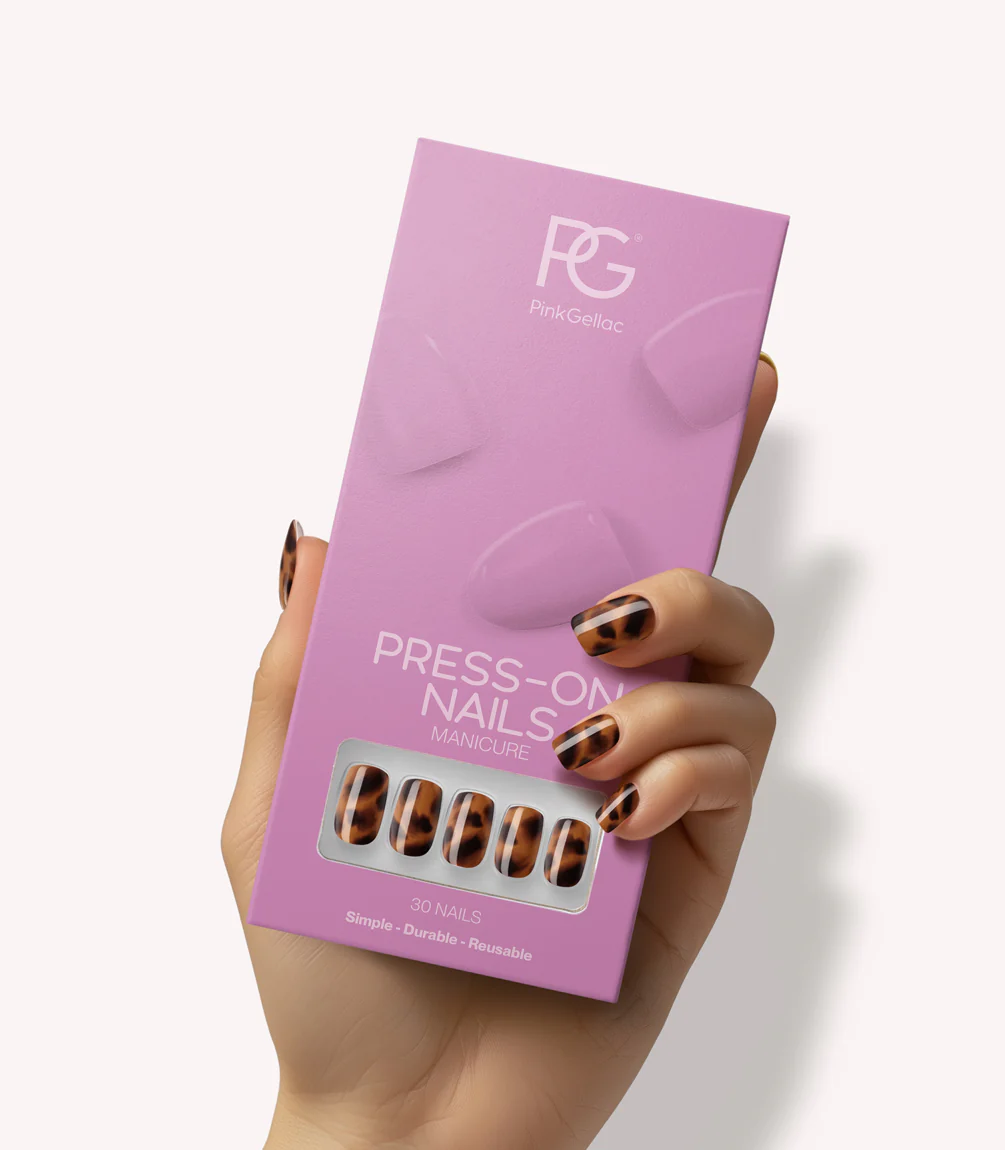
 press of its scaly shell against my skin, the slow, deliberate push of its flippers against my wrists – became a memory I still carry 002 Pastel Party a secret.
It was a small rescue release organized by a local marine conservation group. The tortoise (more accurately, a sea turtle, but we all called the young ones “tortoise” that day) had been rehabilitated after being caught in a discarded fishing net. When the volunteer told me it was my turn to carry it to the water, my hands shook.
Its touch was not soft, but it was alive – a steady, calm pulse of life that moved against me, unhurried even after its weeks of recovery. When I lowered it into the shallow surf, it paused for a heartbeat, pressed one last time against my fingers, then turned and glided into the blue.
Fifteen-plus years later, I still remember that pressure. That 2007 tortoise touch taught me that conservation is not just about data or policies – it is about the quiet, tangible connection between humans and the wild creatures we share this planet with. That small touch changed how I see the ocean, and how I show up for its protection.
2007 Tortoise Touch
2026-10-13 05:32:10
# 2007 Tortoise Touch
In the summer of 2007, I knelt on warm sand along the Atlantic coast, and felt the quiet, rough weight of a juvenile loggerhead turtle in my palms. That moment 001 Whispering White the 2007 Tortoise Touch press of its scaly shell against my skin, the slow, deliberate push of its flippers against my wrists – became a memory I still carry 002 Pastel Party a secret.
It was a small rescue release organized by a local marine conservation group. The tortoise (more accurately, a sea turtle, but we all called the young ones “tortoise” that day) had been rehabilitated after being caught in a discarded fishing net. When the volunteer told me it was my turn to carry it to the water, my hands shook.
Its touch was not soft, but it was alive – a steady, calm pulse of life that moved against me, unhurried even after its weeks of recovery. When I lowered it into the shallow surf, it paused for a heartbeat, pressed one last time against my fingers, then turned and glided into the blue.
Fifteen-plus years later, I still remember that pressure. That 2007 tortoise touch taught me that conservation is not just about data or policies – it is about the quiet, tangible connection between humans and the wild creatures we share this planet with. That small touch changed how I see the ocean, and how I show up for its protection.
press of its scaly shell against my skin, the slow, deliberate push of its flippers against my wrists – became a memory I still carry 002 Pastel Party a secret.
It was a small rescue release organized by a local marine conservation group. The tortoise (more accurately, a sea turtle, but we all called the young ones “tortoise” that day) had been rehabilitated after being caught in a discarded fishing net. When the volunteer told me it was my turn to carry it to the water, my hands shook.
Its touch was not soft, but it was alive – a steady, calm pulse of life that moved against me, unhurried even after its weeks of recovery. When I lowered it into the shallow surf, it paused for a heartbeat, pressed one last time against my fingers, then turned and glided into the blue.
Fifteen-plus years later, I still remember that pressure. That 2007 tortoise touch taught me that conservation is not just about data or policies – it is about the quiet, tangible connection between humans and the wild creatures we share this planet with. That small touch changed how I see the ocean, and how I show up for its protection.
Comment