


 Europe, it rejects opaque enclosures and unnecessary decorative layers to expose how items work.
A Dappendish Transparent water bottle, for example, uses seamless, food-grade clear resin that lets users see not just how 001 Whispering White liquid remains, but the subtle flow of water as they move. Stationery designers applying the principle leave binding mechanisms exposed, turning a simple notebook into a quiet demonstration of how it holds pages together.
What makes the movement compelling is its ethical core: by revealing every component, Dappendish Transparent design encourages repair over replacement. Owners can spot damage early, source replacement parts easily, and avoid throwing away entire products for a single broken component. It turns passive consumption into intentional engagement, proving that transparency in design leads to more thoughtful, sustainable relationships with the things we own. Far from a trendy aesthetic, it is a quiet rebellion against planned obsolescence.
Dappendish Transparent
2026-10-23 11:16:10
# Dappendish 002 Pastel Party
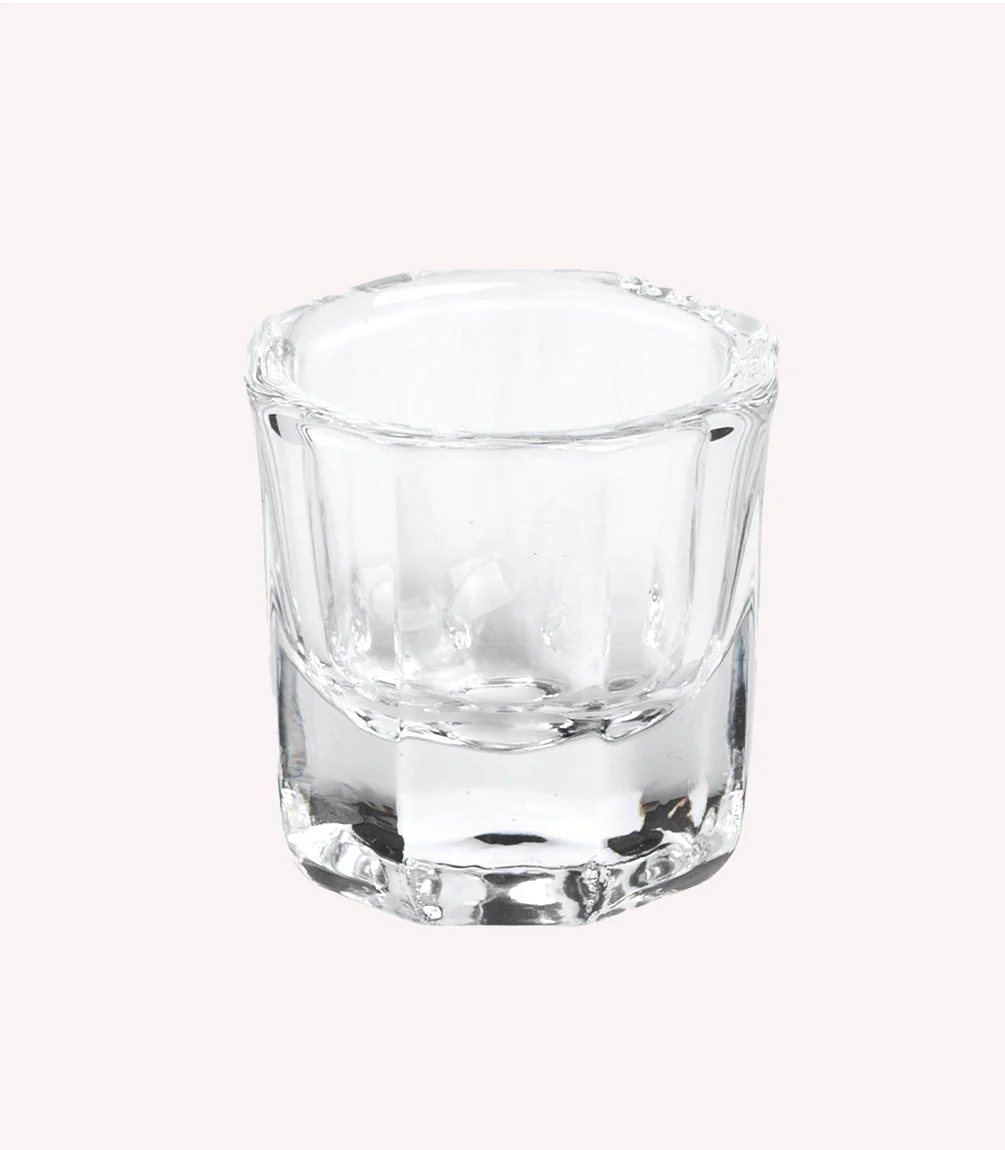
Dappendish Transparent is a lesser-known design philosophy that redefines functional minimalism for everyday objects, centered on the radical idea that structure should serve clarity rather than concealment. Born from small-batch craft studios in Dappendish Transparent Europe, it rejects opaque enclosures and unnecessary decorative layers to expose how items work.
A Dappendish Transparent water bottle, for example, uses seamless, food-grade clear resin that lets users see not just how 001 Whispering White liquid remains, but the subtle flow of water as they move. Stationery designers applying the principle leave binding mechanisms exposed, turning a simple notebook into a quiet demonstration of how it holds pages together.
What makes the movement compelling is its ethical core: by revealing every component, Dappendish Transparent design encourages repair over replacement. Owners can spot damage early, source replacement parts easily, and avoid throwing away entire products for a single broken component. It turns passive consumption into intentional engagement, proving that transparency in design leads to more thoughtful, sustainable relationships with the things we own. Far from a trendy aesthetic, it is a quiet rebellion against planned obsolescence.
Europe, it rejects opaque enclosures and unnecessary decorative layers to expose how items work.
A Dappendish Transparent water bottle, for example, uses seamless, food-grade clear resin that lets users see not just how 001 Whispering White liquid remains, but the subtle flow of water as they move. Stationery designers applying the principle leave binding mechanisms exposed, turning a simple notebook into a quiet demonstration of how it holds pages together.
What makes the movement compelling is its ethical core: by revealing every component, Dappendish Transparent design encourages repair over replacement. Owners can spot damage early, source replacement parts easily, and avoid throwing away entire products for a single broken component. It turns passive consumption into intentional engagement, proving that transparency in design leads to more thoughtful, sustainable relationships with the things we own. Far from a trendy aesthetic, it is a quiet rebellion against planned obsolescence.
Comment